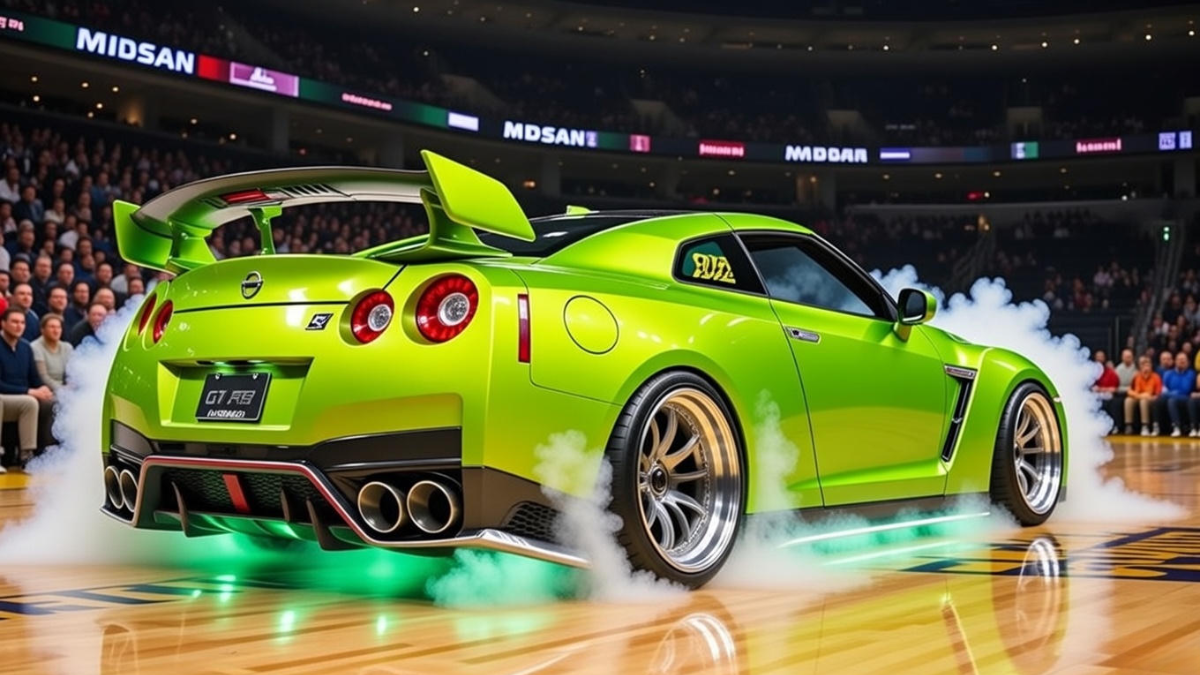
For decades, the GT-R name has represented one thing above all else: fearless performance. From humiliating supercars that cost twice as much to rewriting what all-wheel-drive performance could achieve, Godzilla earned its legend the hard way. When production of the R35 slowed and electrification rumors intensified, many enthusiasts feared the GT-R era was coming to a quiet end. The 2026 Nissan GT-R R36 Nismo Unofficial Concept flips that fear on its head. This next-generation vision imagines Godzilla reborn, stronger and smarter, using hybrid technology not as a limitation but as a weapon. Inspired by the performance legacy of Nissan and its motorsport-focused Nismo division, the R36 concept suggests the GT-R future could be more extreme than ever.
Although unofficial, the excitement around this concept proves one thing clearly: the world still wants a brutal, technology-driven GT-R.
A New Direction That Respects GT-R DNA
The GT-R has never followed trends. Instead, it has forced the industry to react. The R36 Nismo concept continues this philosophy by embracing electrification in a way that enhances performance rather than diluting it. Instead of downsizing ambition, the concept uses modern technology to amplify the car’s strengths.
This vision positions the R36 as a bridge between generations. It respects the raw aggression of past GT-Rs while adapting to stricter emissions standards and evolving performance expectations. Rather than becoming softer or quieter, the GT-R is imagined as becoming even more focused.
Hybrid Powertrain Designed to Destroy Turbo Lag
At the heart of the 2026 GT-R R36 Nismo concept lies a hybrid-assisted twin-turbo V6 powertrain. This setup is rumored to pair a high-output combustion engine with powerful electric motors that deliver instant torque. The objective is clear: eliminate turbo lag completely and sharpen throttle response beyond what traditional engines can achieve.

Combined output figures are expected to exceed 850 horsepower in concept form, pushing the R36 firmly into modern supercar territory. Electric assistance would enhance low-speed acceleration and corner exit speed, while the V6 engine maintains the aggressive soundtrack GT-R fans demand.
This is electrification used for domination, not compliance.
Advanced All-Wheel Drive and Precision Handling
The GT-R name is inseparable from intelligent all-wheel drive, and the R36 concept takes this foundation to the next level. An evolved AWD system would continuously manage torque distribution between front and rear axles, working seamlessly with electric motors to maximize grip.
Advanced torque vectoring, adaptive suspension, and next-generation traction control systems are expected to define the driving experience. The car is imagined to remain planted under extreme acceleration, confident in high-speed corners, and brutally effective on track days.
This is not a grand tourer built for comfort. It is a performance weapon designed to attack asphalt.
Aggressive Aerodynamics with Real Function
Visually, the R36 Nismo concept looks like a predator. The design language is sharper, wider, and more aggressive than previous generations. Large front air intakes, a sculpted hood, and a deep splitter suggest serious aerodynamic intent.
The side profile features aggressive sculpting to manage airflow efficiently, while the rear showcases a performance-focused diffuser and advanced lighting design. Every surface appears purposeful, designed to increase downforce, improve cooling, and enhance stability at extreme speeds.
This is form following function in its most ruthless form.
Driver-Centric Interior Focused on Control
Inside, the R36 Nismo concept abandons luxury excess in favor of immersion and control. The cockpit is imagined as fully driver-focused, with digital displays wrapping around the steering position to deliver real-time performance data.
Carbon fiber, Alcantara, and lightweight metals dominate the interior, reinforcing the car’s track-first personality. Deeply bolstered sport seats, a flat-bottom steering wheel, and configurable drive modes ensure the driver feels connected at all times.

Performance telemetry, hybrid system feedback, and torque distribution data are expected to be central to the driving experience, making the car feel like a high-tech racing machine rather than a conventional road car.
Technology That Exists to Make the Car Faster
Technology in the R36 concept is not about distraction. Software plays a critical role in managing hybrid power delivery, suspension behavior, and aerodynamic efficiency. Advanced control systems would constantly analyze grip, speed, and driver inputs to optimize performance in real time.
Connectivity features may include data logging, over-the-air updates, and track-focused navigation tools. Entertainment systems exist, but they never overshadow the core mission of speed and precision.
Everything serves performance.
Safety That Supports Without Interfering
Despite its extreme nature, the R36 Nismo concept is imagined to include modern safety systems for everyday usability. Adaptive cruise control, lane monitoring, and emergency braking would support daily driving situations.
Crucially, these systems would likely scale back or disengage in performance modes, allowing experienced drivers to exploit the car’s full potential without intrusive electronic intervention.
Why the R36 Nismo Concept Matters
This concept matters because it answers a critical question facing performance icons worldwide. Can legendary sports cars survive electrification without losing their soul? The R36 Nismo concept suggests the answer is yes.
Instead of turning quiet and conservative, the GT-R is imagined to become faster, sharper, and more intelligent. For enthusiasts, this represents hope that the future of performance can still be aggressive, emotional, and thrilling.
Market Position and Expectations
If a production version ever emerges, the R36 Nismo would sit at the very top of Nissan’s lineup. Pricing would likely reflect its advanced hybrid technology, limited production, and halo-car status, placing it firmly among elite performance machines.
Yet the GT-R philosophy has always been about delivering supercar-level performance that embarrasses more expensive rivals, and expectations would remain sky-high.

Key Highlights of the GT-R R36 Nismo Concept
• Hybrid-assisted twin-turbo V6 with extreme performance potential
• Next-generation all-wheel-drive and torque vectoring systems
• Aggressive aerodynamic design focused on downforce
• Driver-centric digital cockpit with performance telemetry
• A bold vision for the future of the GT-R legacy
Conclusion
The 2026 Nissan GT-R R36 Nismo Unofficial Concept is a powerful reminder that icons do not have to fade quietly. By using hybrid technology to enhance aggression rather than soften it, this vision redefines what a modern GT-R could be. While unofficial, it captures the spirit enthusiasts crave: a next-generation Godzilla that is faster, smarter, and more brutal than ever, without abandoning the soul that made the GT-R legendary.
Disclaimer: This article is based on unofficial concept interpretations, enthusiast renderings, and industry speculation. Nissan has not officially confirmed design details, specifications, or production plans for a 2026 GT-R R36 Nismo model.